M.Sc. Computer Science
Thesis on synthesizing implementations from knowledge-aware (KLTL) specifications, supported by the Reactive Systems Group. Project details

Head of Software Architecture & EngineeringLead Software Architect, geni:OS genAI at semvox (CARIAD, Volkswagen Group)
I lead a Software Architecture & Engineering team in semvox's Applied Research & Development department and own the architecture of geni:OS genAI, the LLM-based assistant platform we build for Volkswagen Group vehicles. I stay hands-on: I design LLM agents, write Python and Java, and build the tooling that makes AI-assisted development reliable.
and Lead Software Architect, geni:OS genAI
Leads one of two Software Architecture & Engineering teams in semvox's new Applied Research & Development department, while keeping full architectural ownership of the genAI product generation.
I became Head of Software Architecture & Engineering in April 2026, when semvox reorganized into a new Applied Research & Development (AR&D) department. I lead one of two Software Architecture & Engineering teams. In our matrix organization, engineers work day to day in cross-functional workstreams and projects. I give them feedback, support their development and build the team’s expertise in software architecture, requirements engineering, testing, documentation and end-to-end development. On the department’s steering committee, I bring feedback from my team and the workstreams into tactical and strategic decisions. I work with the other team lead to keep technical standards and staffing consistent across both teams.
I work with project and workstream leads to clarify who owns technical work and decisions across teams. I represent architecture and engineering in discussions with internal stakeholders and help teams maintain technical standards as the organization grows without slowing delivery.
I remain Lead Software Architect for geni:OS genAI, responsible for the genAI framework, our automated test framework for AI-driven assistants and the developer tools around them. I follow integration work in customer projects to identify future features and improvements for developers.
I also lead the adoption of AI-assisted development for geni:OS genAI. We use coding agents with repository-specific instructions and AI tools to draft test cases and analyze logs and traces. Developers stay in control of every decision. The aim is to make changes easier to coordinate when they touch code, prompts, tool definitions, tests and evaluations.
previously workstream lead for Embedded LLM and PNP
Turned an in-car LLM demonstrator into semvox's new product generation and took full technical responsibility for its architecture.
In early 2024, I took on the role of workstream lead for Embedded LLM Development at semvox, focusing on exploring efficient large language model solutions tailored to the hardware constraints within the Volkswagen Group. Following an internal reprioritization, driven by specific customer requirements and timelines, my responsibilities shifted to leading the PNP workstream. I was responsible for the technical development and evaluation of 14 specialized LLM agents, covering diverse domains such as current and historical weather data, financial market information, and news integration, specifically tailored for integration in Volkswagen projects.
In 2024 I built the GDA Embedded Demo on production vehicle hardware. It led directly to customer acquisition and became the basis for geni:OS genAI. I also developed features for demos and shared what I learned about LLM agents and new approaches to automated testing.
Since January 2025, I have the role of Lead Software Architect for this new product generation. I have full technical responsibility for the architectural direction of the genAI solution, including overseeing integration within Volkswagen customer projects. I act as the primary technical contact for solution concepts throughout the genAI ecosystem, ensuring clear communication and effective coordination with external stakeholders and interdisciplinary teams, such as the Solutions department, CARIAD, and other stakeholders.
I set and document the technical vision and make key architecture decisions. I write and maintain the architecture documentation in Confluence to support development and help teams maintain quality standards. I also write code for LLM agents and features in the genAI framework.
Throughout this period I have significantly contributed to the growth and establishment of the semvox genAI solution. From initial in-vehicle demonstrations to its current prominence as a vital project for semvox.
From early 2024 onward, we did most development in Python. We used mostly Java to integrate with the existing embedded and cloud systems in our largest projects.
smart assistant for Volkswagen, Audi, Porsche and Škoda
Joined semvox after graduation and took ownership of test automation, cybersecurity and performance topics in the Volkswagen Group project.
I joined semvox as a product engineer after graduation. We develop a personalized voice assistant for Volkswagen, Audi, Porsche and Škoda. I helped develop and maintain our internal prototype. We use it to evaluate and demo features before they go into production and to show prospective customers what the framework can do.
I was the sole developer and maintainer of an end-to-end test framework for our Volkswagen Group project. It runs tests on automotive hardware prototypes that simulate a car. The aim was to make test results more reliable and reduce the expertise needed to work with sensitive prototype hardware. The framework has replaced around 40% of all in-car testing with automated tests, reducing the QA team’s workload.
I have since handed over this project to a new team inside the QA department that is able to focus all its effort into improving the framework further while I tackle new challenges. For another year I was still involved in design-decisions and roadmap planning.
After my time developing the test framework, a significant portion of my time has been spent working towards a cyber security management system certification in form of ISO 21434 for semvox. I was mainly involved in establishing new processes to cover cyber security related subjects from the design phase, through the development cycle, until product releases and deployments. Analyzing the impact of CVE findings in our product and determining the best mitigation path for those vulnerabilities is still part of my day to day work. I am responsible for the technical risk assessment and threat analysis for our software framework.
Another focus of mine has been the analysis of performance bottlenecks in our automotive project with the Volkswagen-group. I was able to discover and implement crucial improvements to performance, memory management and overall system stability in the process.
I wrote almost exclusively Java in this role.
More detail on individual work projects is on the projects page.
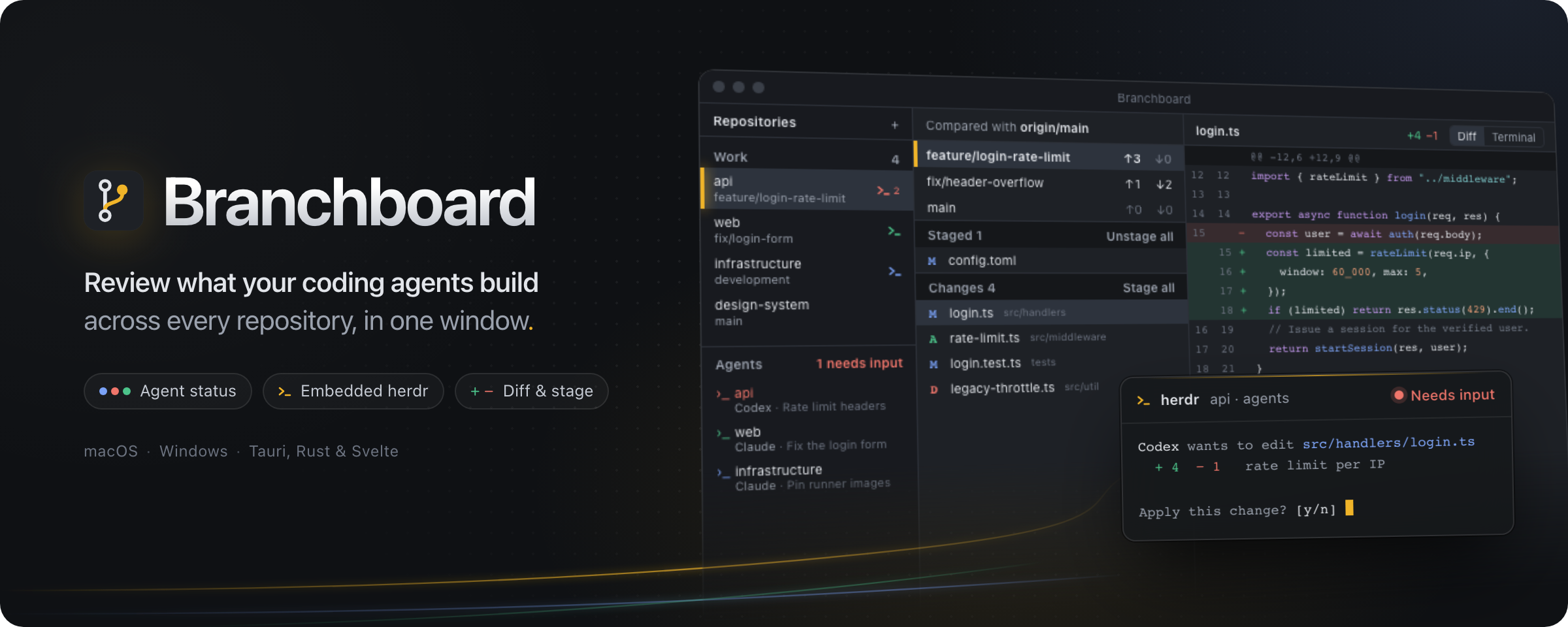
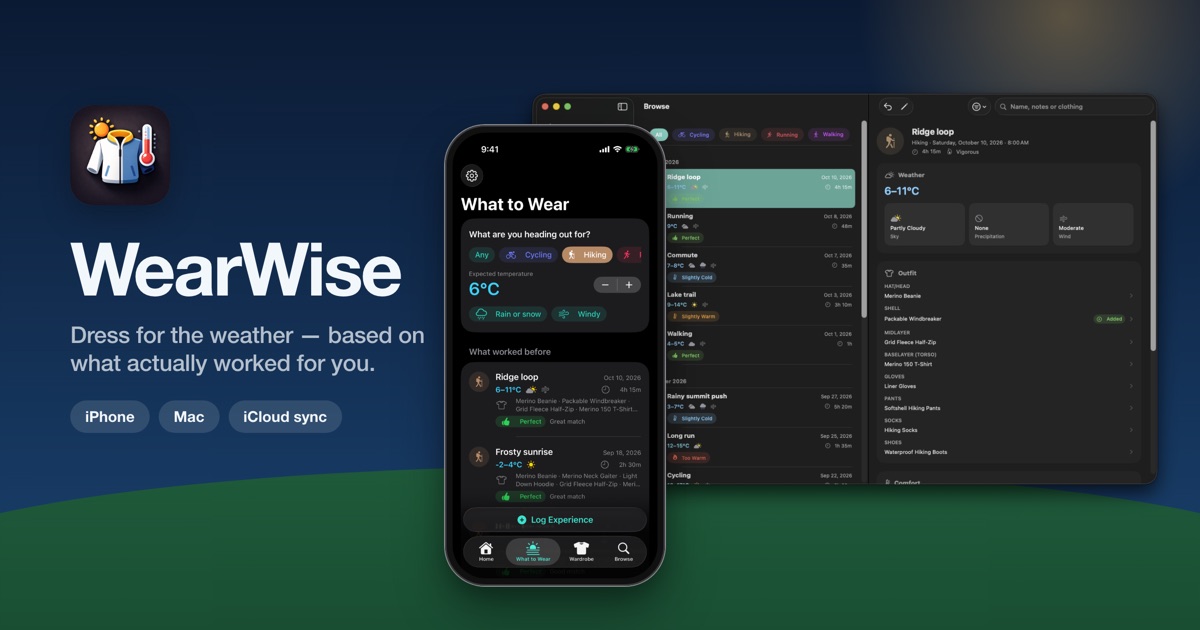
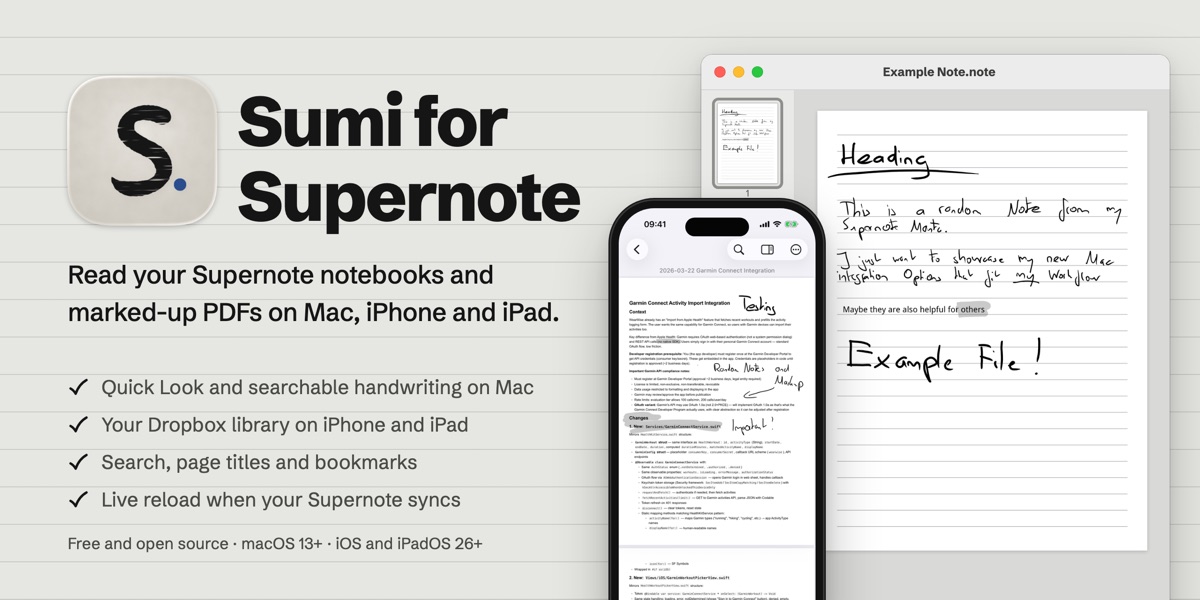
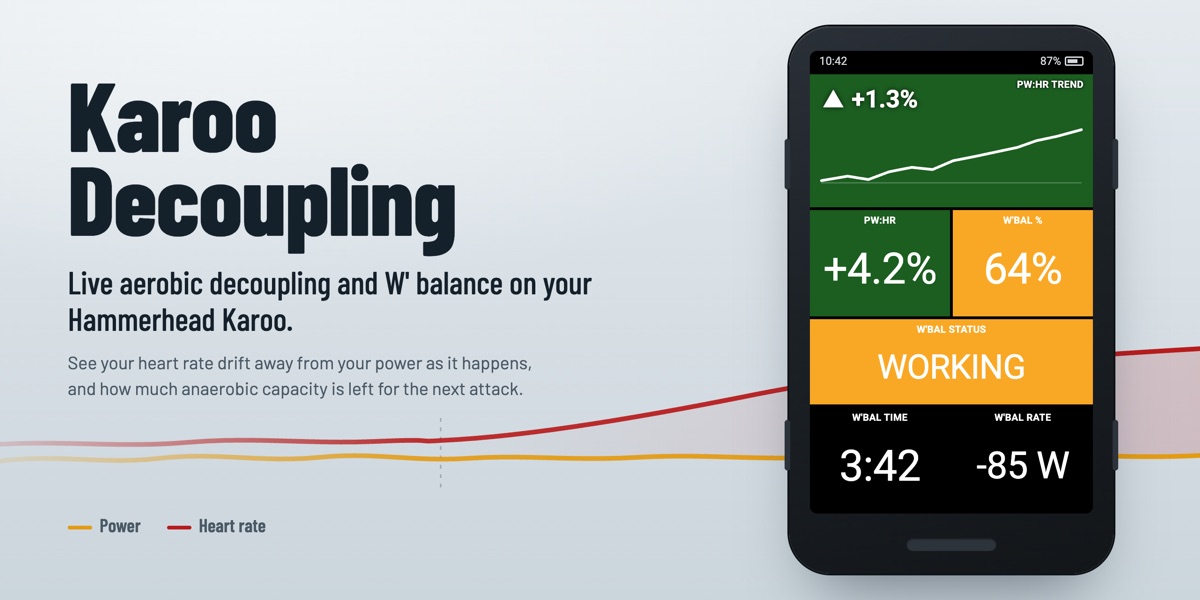
I build tools for my own development workflows and hobbies, mostly birding, cycling, photography and note-taking. A few of them:
Thesis on synthesizing implementations from knowledge-aware (KLTL) specifications, supported by the Reactive Systems Group. Project details
Thesis on authentication schemes for mobile virtual reality. All university projects
My main interests at university were the fields of embedded systems and operating systems and verification of such systems. However, I intentionally visited a broad selection of courses at university to develop skills in a variety of fields.
I very much enjoy the 'challenge' of writing 'low-level' code. In my time as a student this usually resulted in me writing efficient Code in C. Recently I discovered Rust which sparked my interest a couple of times already in the past, mainly because of the strong guarantees (safe) rust code gives by design while getting reasonably close to C performance. This time I actually gave it a serious shot and so far I have been really happy with my decision.
When I'm not at my desk I'm usually out cycling or travelling with my camera. My wildlife and landscape photos are on this site. Since 2018 I organize my work with David Allen's "Getting Things Done", and I enjoy tuning my own workflows and tools.
I used to be a quite unorganized and spontaneous person, but in late 2018 I read about the principle of "Getting Things Done" by David Allen. Nowadays there is no way I leave the house without a way of putting down my thoughts (usually ends up being phone or laptop) which helps me to organize and plan my week properly. This step forward had a significant impact not only on my overall enjoyment of working but also resulted in me being way more productive in the same amount of time.
In 2021 lockdown I found a new passion: cycling and striving for improvements in the sport. During holidays I love traveling to new countries and discovering new places in nature I haven't been at before and capturing my experiences with my camera.
In my free time, I like to keep myself in shape by exercising regularly at home - particularly my back is very thankful for those breaks after hours of sitting in a chair. I would consider myself very passionate about a wide variety of music and audio gear, which also helps me relax after a long day of working if I'm not reading a book on my Kindle. One of my favorite things to do after university is to optimize my workflow, for the tasks I am currently facing. This mainly ends up in me fine-tuning my zsh, tmux, vim or vscode configurations to solve some annoyance I encountered that day.